

Why even small websites get hacked? Many business owners assume hackers only target large corporations with millions of users. Unfortunately, this is one of the most dangerous myths in digital marketing. In reality, hackers often go after small and even brand-new websites because they know most of them lack proper protection.
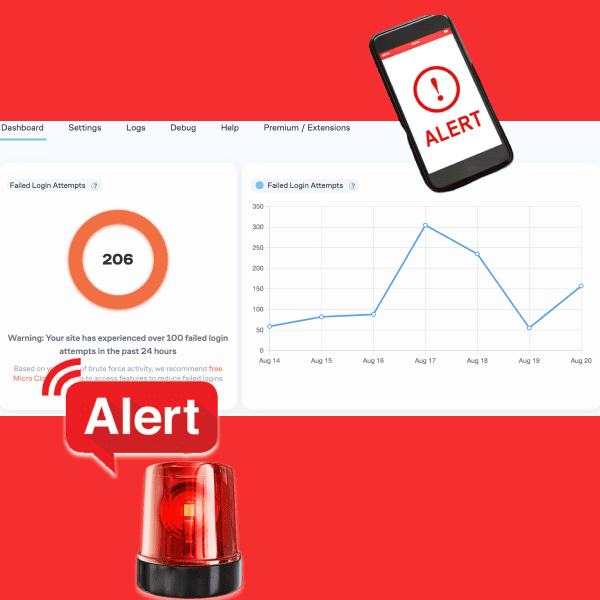
I’ve seen this situation countless times while working with clients. Even when a site is new, barely live for a few weeks, it can face dozens or even hundreds of failed login attempts every single day. Just like in the screenshot above, where one of my clients’ sites experienced over 200 brute-force login attacks within 24 hours. That’s proof: nobody is safe just because their business is “too small.”
The Real Problem Small Business Owners Face
Running a small business website is challenging. You worry about clients, payments, and advertising. Security? Honestly, it’s not on the top of most people’s lists. Hackers know this, and that’s exactly why they target small websites.
Here’s what typically happens:
-
Owners think, “Who would hack my small site? I’m not a bank.”
-
Developers focus on design and speed, but skip daily security monitoring.
-
Many agencies don’t even mention the risks — because it’s extra work.
As a result, thousands of small websites get hacked every single day, putting both business and customer data at risk.
Why Standard Solutions Don’t Work
Most hosting providers will tell you: “We have firewalls and backups, don’t worry.” While that sounds good, it doesn’t stop real-time attacks. Backups only help after the damage is done.
Another popular “solution” is using cheap plugins or free tools. But let me be clear: hackers are always one step ahead. They constantly test login pages with brute-force attempts, trying thousands of passwords every minute. Free tools simply cannot keep up.
And here’s the truth: 99% of companies creating websites don’t include serious security. They just deliver a site and move on. Security is not even on their checklist.
Why Even Small Websites Get Hacked — Main Reasons
Hackers attack small websites because they:
-
Use weak or default passwords.
-
Have outdated software.
-
Don’t enable monitoring or real-time alerts.
-
Give away access too easily (like in my client’s story below).
-
Store valuable customer data — emails, phone numbers, sometimes even payment details.
My Approach: How I Secure Client Websites
For me, protecting a client’s website is like a bedtime prayer. I never launch a website without implementing security steps. And every time I see brute-force attempts, I get instant notifications — so do my clients.
When something suspicious happens, I act immediately: block IPs, tighten access, and make sure the website stays safe. The client doesn’t lose sleep, and I carry the stress for them. That’s part of my job and my responsibility.
Real Case Study: How a Client Almost Lost Their Site
One of my clients had a brand-new website. It was secure, monitored, and running well. Then one day, he received an “amazing” offer from a so-called big marketing agency:
“Pay $200 and we’ll get you to the top of Google in just a few days!”
Sounds tempting, right? He shared his login details with them — luckily, not the full administrator access. Within hours, I received alerts of suspicious login attempts. I jumped in, locked the site, and stopped the attack before real damage was done.
The site was saved. The client was shocked but grateful. He promised never to trust shortcuts again and now works only with me for his SEO and advertising.
The lesson? Quick, cheap promises usually cost much more in the end.
What Clients Really Need to Know
When I talk with clients, I don’t sugarcoat it:
-
Organic SEO takes time. Google rewards steady, quality work.
-
Paid ads (PPC) are great for fast leads — but they cost money.
-
There is no magic overnight solution.
Hackers and “fake agencies” thrive on people’s desire for shortcuts. But if you want your website to bring results, you need real strategy, consistent SEO, and reliable security.
Key Benefits of Strong Website Security
When your site is secure, you get:
-
Peace of mind knowing customer data is safe.
-
Higher trust from clients who see you care about their privacy.
-
Better search engine ranking (Google downgrades hacked sites).
-
Protection from downtime and reputation loss.
-
Confidence to focus on growing your business instead of fixing damage.
FAQ: Why Even Small Websites Get Hacked
Q1: Can hackers really attack a new website with no traffic?
Yes! Hackers use automated bots that scan the internet 24/7. If your site exists, it can be attacked — even if nobody knows it yet.
Q2: What happens if a small website gets hacked?
You could lose customer trust, private data, or even access to your own site. Some businesses have had to start over completely.
Q3: How do I know if my website is under attack?
Failed login attempts, strange notifications, or sudden performance drops are early warning signs. With my clients, I receive instant alerts and take action before damage occurs.
Final Thoughts and Call to Action
So, why even small websites get hacked? Because hackers know small business owners are busy and often unprotected. But your website is not “too small” to be safe. It holds your brand, your clients’ trust, and often sensitive data.
I protect my clients’ websites as if they were my own. When attacks happen, I act instantly to stop them. And I combine that security with long-term SEO and paid ads to grow their business safely and effectively.
👉 If you want your website to be both visible on Google and protected from hackers, reach out today. Let’s build not just a site, but a safe online foundation for your business growth.