


Every small business owner dreams of a steady flow of qualified leads — people ready to buy their product or service today, not just “window shoppers.” Yet, the real challenge isn’t just attracting visitors; it’s learning how to get quality leads that actually convert. However, in today’s online world, the problem isn’t visibility — it’s standing out in a crowded marketplace.
With millions of websites and ads competing for attention on Google Search, social media, and mobile apps, your marketing must do more than simply show up. Instead, it needs to connect with the right people at exactly the right moment.
To win attention, you need a strategy that weaves together every part of your online presence — SEO, Google Ads, social media, and web design — into one clear goal: generate high-quality leads without breaking the bank.
This is exactly what a professional digital marketing company does. Yet, the best results come when you understand how the process actually works. Let me walk you through it.
In this article, you’ll discover:
- How SEO and Google Ads work together to generate sales leads
- What to fix on your website before spending a dollar on ads
- The difference between traffic and qualified leads
- How to track, capture, and convert leads with modern tools

1. Understanding the Digital Marketing Ecosystem
Digital marketing isn’t just about being visible — it’s about being found by the right people at the right time. Think of it as building a system where each piece supports the others.
Here’s what that ecosystem includes:
SEO (Search Engine Optimization): improves your rankings in organic search results and builds long-term credibility.
Google Ads (Pay-Per-Click): places you instantly in front of potential customers on Google Search and YouTube.
Social Media Marketing: builds awareness, trust, and keeps your brand top-of-mind.
Web Design and User Experience: turns curious visitors into inquiries or sales.
Each element supports your overall sales process. For instance, while SEO brings consistent, long-term traffic, Google Ads delivers fast exposure. Meanwhile, your website converts that traffic into actual sales leads. When these pieces work together, that’s when the magic happens.
2. SEO: Building Long-Term Visibility and Trust
SEO is the foundation of any sustainable digital marketing strategy. In my experience working with dozens of small businesses, it’s often the most undervalued tool in the toolkit.
When done correctly, SEO helps your site appear in search engines like Google, Bing, and Yahoo when people are actively searching for your services. Moreover, it positions you as an authority in your field.
Key elements of SEO that generate & get quality leads:
Keyword optimization: Focus on phrases your qualified leads actually use. For example, “plumber near me” or “Google Ads management San Diego” are high-intent searches that signal buying readiness.
High-quality content: Answer customer questions, educate your audience, and build credibility. Additionally, content that solves real problems gets shared and linked to naturally.
Technical SEO: Ensure your site is fast, mobile-friendly, and properly indexed in Google Search Console. Technical issues can silently kill your rankings.
Backlink building: Gain reputable links that send trust signals to Google. Furthermore, quality backlinks from industry sites boost your domain authority.
Ultimately, good SEO makes your business discoverable organically — without paying for every click. As a result, you achieve a lower cost per lead and stronger customer trust over time.
3. Google Ads: Getting Leads Fast (When You Can’t Wait for SEO)
If SEO is the marathon, then Google Ads is the sprint. It allows your business to appear at the top of Google Search results instantly — right above the organic listings.
For local service providers or startups that need customers this week, Google Ads can be a genuine game-changer. I’ve seen businesses go from zero inquiries to fully booked calendars in just 72 hours with the right campaign setup.
Why Google Ads Work
- You target specific keywords that people type right before they buy
- Daily budget control lets you adjust spending based on performance
- Reach extends across Google Search, YouTube, and mobile apps
- Instant insights reveal which ads and keywords drive calls, forms, and sales
The Secret: Combine Google Ads with SEO
Running both strategies together gives you the best of both worlds — instant visibility from paid search and sustainable growth from organic search. Furthermore, it’s a smart way to test which keywords convert best before investing heavily in SEO content.
In fact, data from your Google Ads campaigns can inform your entire content strategy. You’ll know exactly what your customers are searching for.
4. The Role of Web Design and Calls-to-Action
You can spend thousands driving traffic through Google Ads or SEO. However, if your web design isn’t optimized for conversions, you’ll lose leads faster than you can generate them.
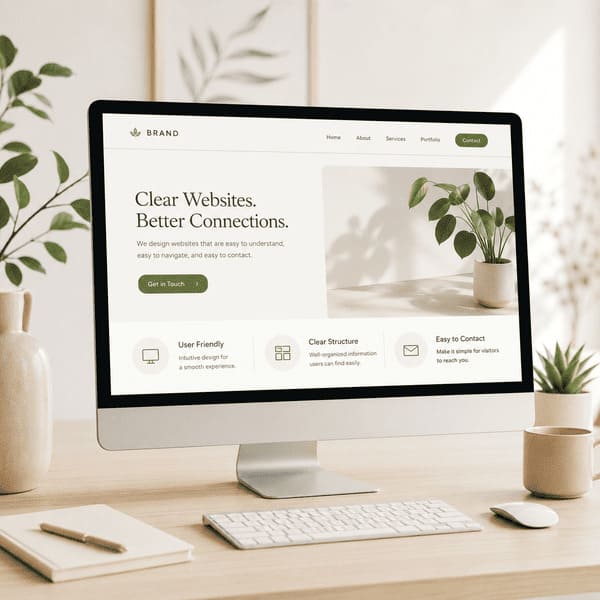
Think of your website as the digital version of your office or storefront. If it feels outdated, confusing, or unprofessional, visitors won’t stick around long enough to contact you.
A well-built landing page should:
- Load in under 3 seconds (speed matters more than you think)
- Feature clear, visible calls to action like “Get a Quote” or “Book Now”
- Be mobile-friendly and easy to navigate on any device
- Include real photos, testimonials, and trust badges
- Clearly explain what you do and why you’re the better choice
Often, a digital marketing company will start by improving your website before running campaigns. Why? Because conversion design directly impacts how efficiently your ad spend performs. There’s no point driving traffic to a broken funnel.
5. Capturing and Nurturing Leads
Getting traffic is only half the job — the other half is capturing and converting those visitors into paying customers. This is where many businesses drop the ball.
Lead Capture Tools
- Contact forms and chat widgets that are easy to find
- Click-to-call buttons for mobile users
- Email subscription popups (when done tastefully)
- Quote request forms
- Dedicated landing page funnels
Every tool should connect to a CRM or at least a simple spreadsheet where you track the lead source and follow-up results. Otherwise, you’re flying blind.
Lead Nurturing
Once you have a lead, don’t stop there. Instead, follow up fast — ideally within minutes — whether through a call, email, or SMS. According to marketing studies, businesses that respond within five minutes are nine times more likely to close a sale than those who wait an hour.
Moreover, automation tools and remarketing ads can gently remind potential customers about your business if they didn’t convert right away. Persistence pays off, as long as it’s respectful.
6. How to Track and Improve Results
A great digital marketing company doesn’t just launch campaigns and hope for the best — it measures every click, call, and conversion with precision.
Tools You Should Use
Google Analytics 4 (GA4): Track where your leads come from and which pages convert best. This tool is essential for understanding user behavior.
Google Search Console: Monitor your website’s crawl index, keyword performance, and technical health. Additionally, it alerts you to issues before they hurt rankings.
Call Tracking: Understand which campaigns drive phone inquiries. For service businesses, this is often more valuable than form fills.
UTM Links: Analyze ad performance across Google Ads, SEO, and social media with custom tracking parameters.
Consequently, you can refine your strategy continuously — cutting ad spend that doesn’t perform and doubling down on what drives real results. Data-driven decisions always beat guesswork.
7. Social Media and Existing Customers
Never forget your existing customers. Retention often costs five times less than acquisition, and loyal customers become your best marketers through word-of-mouth.
In addition, social media is an excellent channel to stay visible, share testimonials, and build genuine loyalty with your audience. Platforms like Instagram, Facebook, and LinkedIn also act as social proof. When people see others recommending your product or service, they’re far more likely to trust you.
Finally, running small remarketing campaigns on these platforms can bring back users who already visited your site — a simple yet affordable way to increase your ROI. Sometimes people just need a gentle reminder.
8. The Cost of Doing Nothing
Many small businesses hesitate to invest in digital marketing because they worry about the upfront cost. In reality, the opposite is true — you literally can’t afford not to invest.
Without SEO, competitors will dominate organic search and steal your potential customers. Without Google Ads, your ideal clients will never even see you exist. And without a strong, conversion-optimized website, you’ll lose the leads you already paid to attract.
Ultimately, every missed opportunity costs more than the investment in professional marketing help. The question isn’t whether you can afford digital marketing — it’s whether you can afford to keep losing business to competitors who already figured this out.
9. Choosing the Right Digital Marketing Company
Not all marketing agencies are equal. Some sell impressive-sounding packages that deliver little actual value. I’ve seen it happen too many times.
To identify a reliable partner (or freelancer):
✅ They focus on results, not just traffic numbers
✅ They explain how SEO, Google Ads, and web design work together
✅ They show real case studies and success stories (with specifics)
✅ They provide transparent reporting and discuss ROI, not vanity metrics
✅ They tailor your strategy to your business goals — not generic templates
If you choose an independent expert instead of a large agency, you’ll often receive more personal attention, faster communication, and lower costs — without sacrificing quality. Smaller doesn’t mean less capable; often it means more focused.
10. Putting It All Together: A Simple Action Plan
Here’s a straightforward checklist to get started today:
- Audit your website — check speed, design, and mobile responsiveness
- Set up tracking — GA4, Search Console, call tracking, and analytics
- Start small with Google Ads — target 3–5 high-intent keywords
- Publish SEO content — answer real customer questions consistently
- Promote on social media — build trust and engagement authentically
- Review results monthly — adjust ad spend and strategy based on data
Over time, your sales leads will increase, your ad spend will become more efficient, and your brand will gain lasting authority online. However, remember that this is a process, not an overnight transformation.
Conclusion: Turn Your Online Presence Into a Lead Machine
Getting leads isn’t magic — it’s a systematic process backed by strategy and data. With the right mix of SEO, Google Ads, social media, and smart web design, any small business can attract a steady flow of qualified leads and turn visitors into loyal customers.
If you’re ready to stop guessing and start growing, partner with a digital marketing company that focuses on real results — not empty promises. Look for someone who takes time to understand your business, explains their approach clearly, and treats your budget like their own.
Because the right strategy doesn’t just bring more clicks — it brings more clients, more revenue, and more freedom to focus on what you do best.