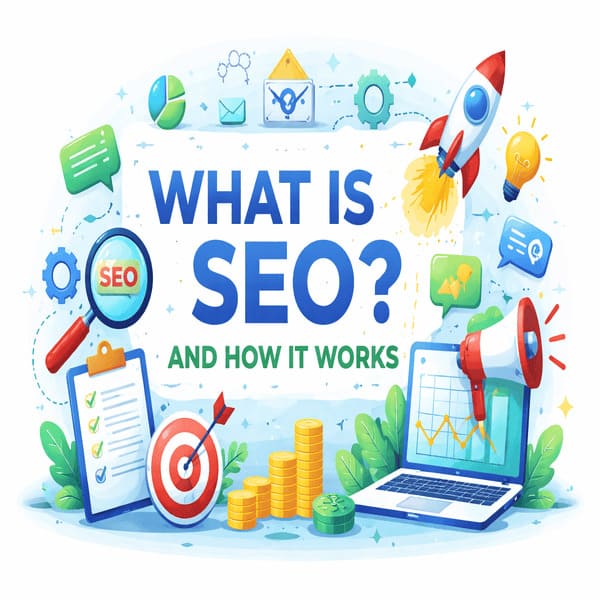


What is SEO and how it works? If you own a website or plan to start one, understanding search engine optimization is essential. SEO helps your website appear in Google and attract visitors without paying for ads.
In simple terms, SEO helps people find your website in Google.
Every day millions of people search for answers, products, and services online. Search engines like Google analyze billions of pages to decide which websites should appear first in search results. SEO is the process that helps your website become one of those results.
When done correctly, SEO allows a website to attract visitors without paying for ads. Instead of constantly spending money on advertising, SEO helps bring organic traffic — people who discover your site naturally through search.
Table of Contents
What Is SEO and How It Works?
SEO stands for Search Engine Optimization.
It refers to the process of improving a website so search engines can better understand its content and show it to the right audience.
For example, imagine someone searches:
“how to repair leather car seats”
“steering wheel leather repair”
“restore faded leather couch”
Google scans thousands of pages and tries to show the most helpful and relevant results.
If your website clearly explains the topic and provides useful information, search engines are more likely to rank your page higher.
That is the main goal of search engine optimization.
Why SEO Is Important for Websites
Many businesses rely on advertising to attract customers. Paid ads can work well, but they stop bringing visitors as soon as you stop paying.
SEO works differently.
When a website ranks well in Google search results, it can bring visitors for months or even years without additional advertising costs.
Some of the biggest benefits of SEO include:
• steady website traffic
• increased online visibility
• more trust from potential customers
• long-term marketing results
For small businesses and online stores, SEO can become one of the most valuable ways to attract new customers.
How SEO Works in Google Search
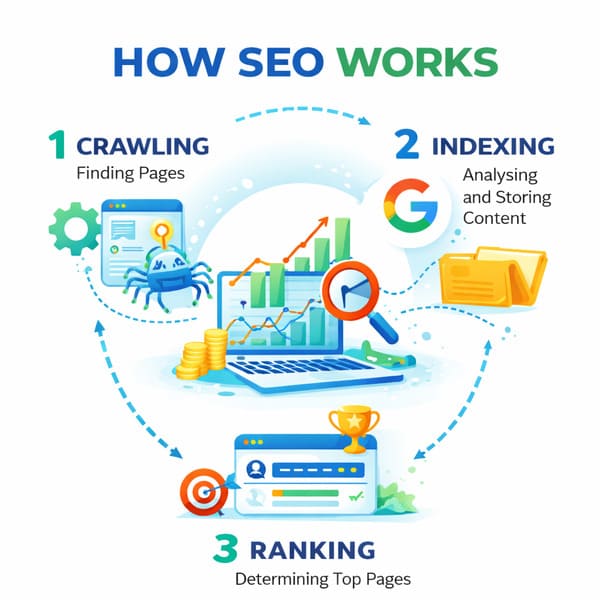
Search engines use complex algorithms to decide which pages appear in search results. However, the process generally happens in three main stages.
Crawling
First, search engines discover pages on the internet using automated programs called crawlers or bots.
These bots scan websites, follow links, and collect information about new pages.
If your website has clear navigation and internal links, search engines can find and crawl your pages more easily.
Indexing
After a page is discovered, Google analyzes the content and stores it in a massive database called the index.
At this stage, Google tries to understand:
what the page is about
what keywords it relates to
how useful the information may be
Pages that are well structured and easy to understand are more likely to be properly indexed.
Ranking
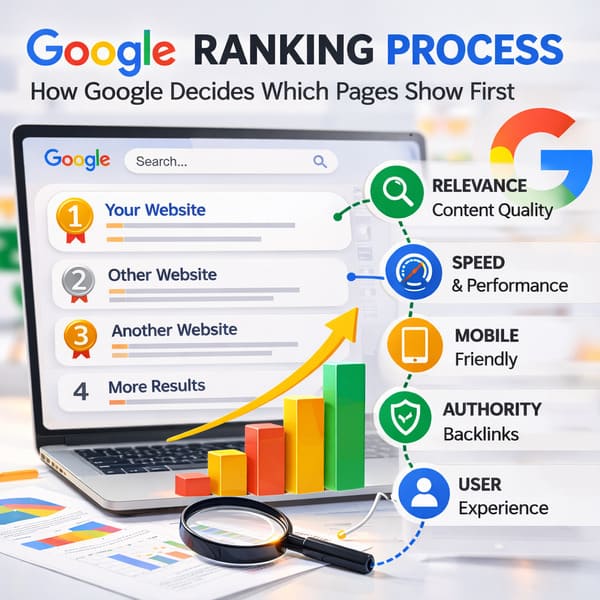
Finally, when someone searches for something in Google, the search engine decides which pages should appear first.
This decision depends on many ranking factors, including:
relevance to the search query
content quality
website authority
page speed
mobile friendliness
user experience
The goal of SEO is to improve these factors so your pages have a better chance of ranking higher.
Types of SEO: On-Page, Technical, and Off-Page
SEO is not just one action. It includes several different strategies that work together to improve website visibility.
On-Page SEO
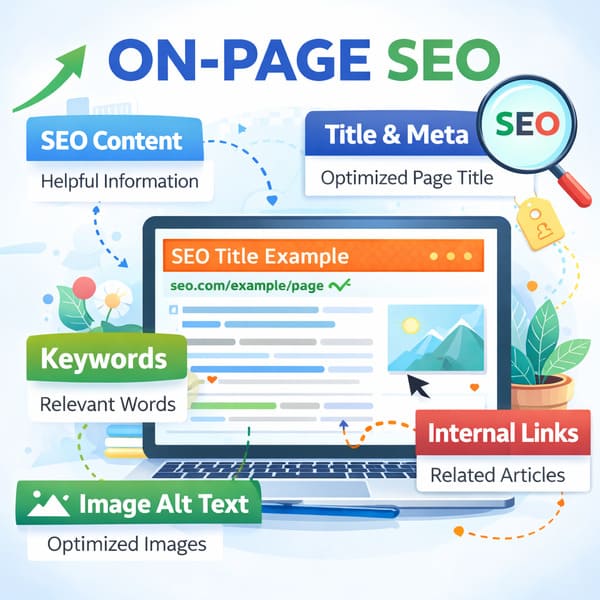
On-page SEO focuses on optimizing the content and structure of individual pages.
This includes:
writing clear titles and headings
using relevant keywords naturally
creating helpful content
optimizing images and descriptions
improving readability
High-quality content is one of the most important parts of SEO.
Search engines want to show pages that truly help users solve their problems.
Technical SEO
Technical SEO focuses on how a website works behind the scenes.
Important technical factors include:
website speed
mobile compatibility
secure connections (HTTPS)
proper indexing
structured data
Even great content may struggle to rank if the technical foundation of a website is weak.
Off-Page SEO
Off-page SEO refers to actions that happen outside your website but influence your rankings.
The most important factor here is backlinks.
Backlinks are links from other websites pointing to your pages. When trusted websites link to your content, search engines see this as a signal that your page is reliable and valuable.
Over time, these signals help increase your website’s authority.
SEO vs Paid Ads: What Is the Difference?
Both SEO and paid advertising help businesses attract website visitors, but they work in different ways.
Paid advertising can bring traffic almost instantly. However, it requires a continuous budget because each click costs money.
SEO takes more time to build, but once a website ranks well, it can continue bringing visitors without ongoing ad costs.
Many successful businesses use both strategies together: ads for immediate results and SEO for long-term growth.
Common SEO Mistakes to Avoid
Many websites struggle with SEO because they focus on the wrong things.
Some of the most common mistakes include:
• writing content only for search engines instead of people
• using too many keywords unnaturally
• ignoring technical website issues
• publishing very short or low-quality articles
• not updating outdated content
Modern SEO focuses on helpful information and good user experience, not tricks or shortcuts.
SEO Tips for Beginners
If you are new to SEO, start with the basics.
Focus on creating content that answers real questions people search for.
Some simple steps include:
Research keywords your audience searches for
Write clear and useful content
Use headings to organize information
Optimize images and page speed
build internal links between pages
SEO results rarely happen overnight, but consistent improvements can lead to steady growth over time.
Final Thoughts
SEO may seem complicated at first, but the core idea is simple.
Search engines want to show the most helpful pages to users.
By creating valuable content, improving website performance, and building trust online, your website can gradually move higher in search results.
Over time, search engine optimization can become one of the most powerful ways to grow traffic, build authority, and connect with people who are actively searching for what you offer.
Frequently Asked Questions About SEO
What is SEO in simple words?
SEO, or search engine optimization, is the process of improving a website so it appears higher in Google search results. The goal of SEO is to help people find your website when they search for information, products, or services online.
How does SEO work?
SEO works by helping search engines understand your website. Google analyzes many factors such as content quality, relevance, website speed, backlinks, and user experience to decide which pages should appear first in search results.
How long does SEO take to work?
SEO usually takes time to show results. Most websites start seeing improvements within 3 to 6 months, depending on competition, website quality, and how consistently SEO improvements are made.
Is SEO free?
SEO traffic itself is free because visitors find your website through organic search results. However, optimizing a website requires time, effort, and sometimes professional expertise
What is the difference between SEO and Google Ads?
SEO focuses on improving organic search rankings, while Google Ads allows websites to appear at the top of search results through paid advertising. SEO takes longer but provides long-term traffic, while ads deliver immediate visibility.
Why is SEO important for small businesses?
SEO helps small businesses compete online by making their websites visible in search results. When a business ranks well in Google, potential customers can find it without the company spending money on ads.